Design Systems for Solo Developers: Achieving High-Craft UI Without a Design Team
Written by Daniel Dano (hello@danieldano.com)
Founder of Ryla Labs & Software Developer
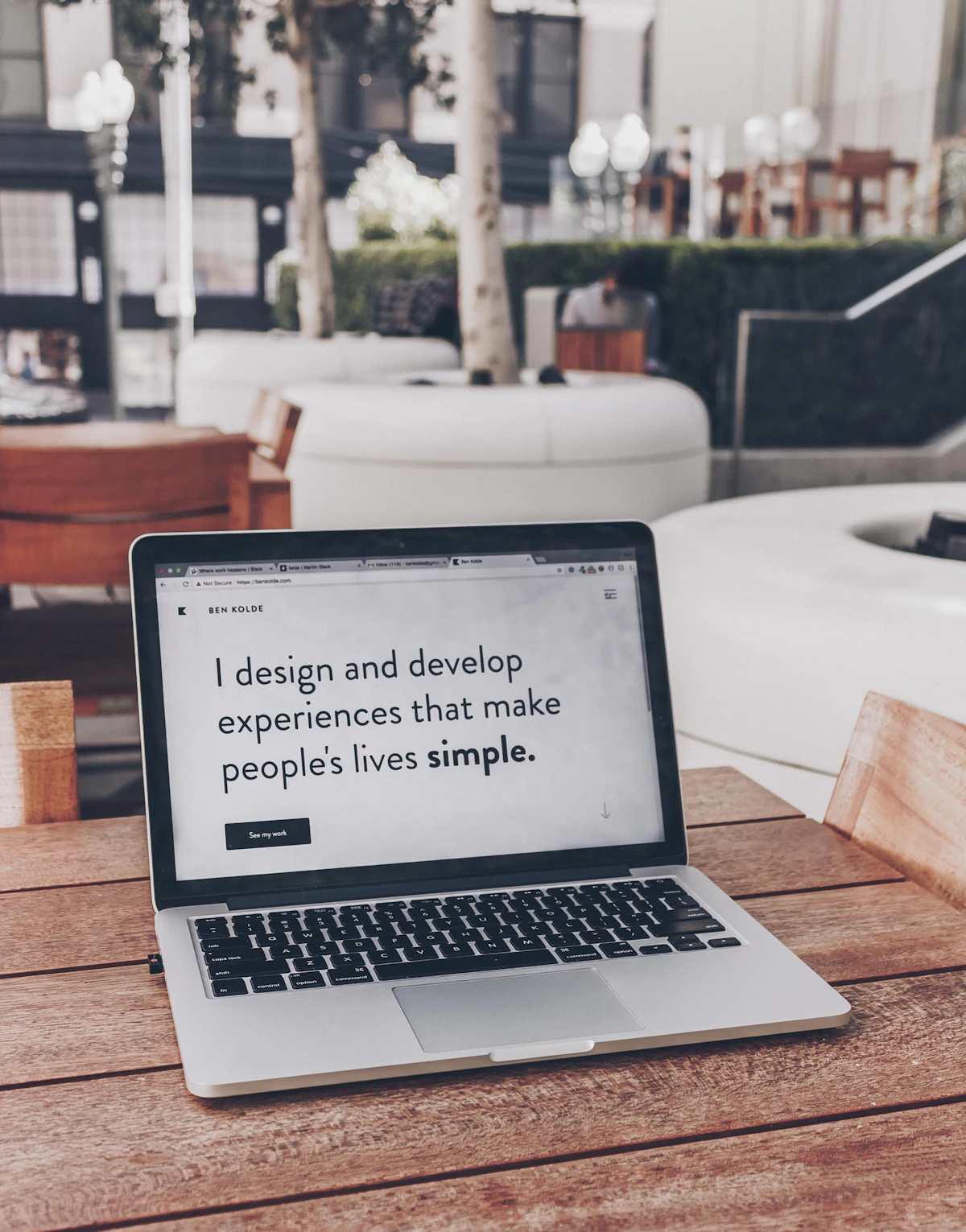
When building software as a solo founder or developer, design is often treated as an afterthought. But users form opinions about your product within 50 milliseconds of landing on your page. Visual craft isn't a luxury—it's your primary differentiator.
Here is how I design editorial, high-craft web applications for Ryla Labs without a dedicated design department.
1. Master OKLCH Color Spaces
Forget hex codes or basic RGB values. The OKLCH color space provides perceptual uniformity, ensuring that color variations, borders, and dark modes feel natural across all monitor displays.
:root {
  --navy: oklch(0.312 0.058 259.5);
  --navy-deep: oklch(0.215 0.045 260);
  --gold: oklch(0.759 0.117 78.5);
  --cream: oklch(0.938 0.031 92);
}
2. Pair High-Contrast Typography
Pairing an expressive display font (like Space Grotesk) with a highly legible body font (like Inter) gives your application instant editorial presence:
- Display font: Headlines, big metric numbers, navigation logos.
- Sans font: Paragraphs, form inputs, button labels.
- Mono font: Code snippets, tag badges, timestamps.
"A great design system doesn't limit creativity—it eliminates decision fatigue so you can focus on user experience."
Key Takeaways
- Limit your palette to 3 core colors: Navy, gold, and cream create an immediate signature aesthetic.
- Use component primitives: Rely on headless components (like Radix UI) for accessibility while keeping 100% control over visual styling.
- Add subtle micro-interactions: Smooth hover transitions and entry animations make software feel alive.